Dr. Larry Davidson, The Empathy of Caregivers: How Compassion Shapes Recovery

Medicine is often described as a science of precision, built on diagnosis, data, and technique. Dr. Larry Davidson, a board-certified neurosurgeon with fellowship training in complex spinal surgery, recognizes that pain affects both body and mind, and empathy plays a central role in how patients heal. The way caregivers communicate, listen, and respond can influence not only emotional well-being but the course of physical recovery itself.

Empathy builds trust, encouraging patients to share their symptoms, fears, and goals more openly. Insights that can directly influence diagnostic accuracy and treatment success. When patients feel heard and understood, adherence improves, anxiety lessens, and recovery often accelerates. In this way, compassion is not separate from science but a vital part of it, ensuring that care remains both effective and deeply human.

Understanding Empathy in Medicine

Empathy in healthcare extends beyond listening. It means seeing the patient as a whole person, acknowledging both their physical condition and emotional state. This approach doesn’t replace medical expertise but deepens it, helping clinicians interpret symptoms within the context of each patient’s life.

For patients managing spinal pain or preparing for surgery, empathy fosters trust and openness. When the clinical environment feels supportive, patients are more likely to discuss details about their pain, habits, and stress that might otherwise go unmentioned. These insights provide important context for diagnosis and guide more personalized treatment planning.

The Emotional Weight of Pain

Chronic or severe spinal pain affects more than the body. It reshapes how patients think, feel, and interact with the world. Fatigue, sleep loss, and stress can exacerbate discomfort, making it more challenging to remain optimistic. Compassionate caregivers recognize this emotional burden and respond with understanding rather than impatience.

A patient who reaches a plateau in rehabilitation may not need a new exercise plan as much as …
How to Start an Organic Garden for Fresh Natural Produce

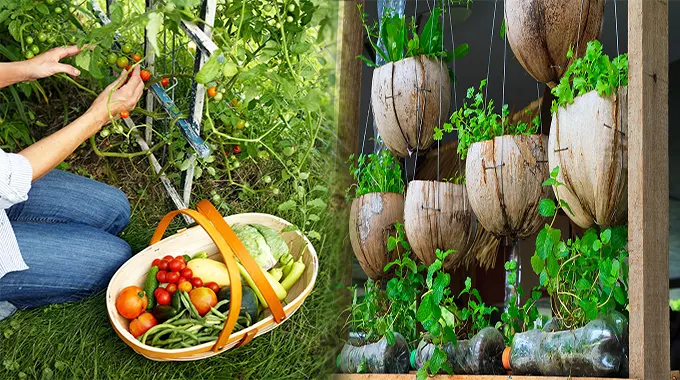
In recent years, the trend towards organic gardening has been gaining momentum as more people seek fresh, natural produce grown without synthetic chemicals or pesticides. Starting an organic garden is not only a rewarding and sustainable endeavor but also a great way to ensure a fresh supply of healthy fruits and vegetables right at your doorstep. If you’re looking to embark on this green journey, here’s a step-by-step guide on how to start an organic garden for fresh, natural produce.

1. Choose the Right Location:

Select a sunny spot in your yard or on your balcony that receives at least 6-8 hours of sunlight per day. Ensure that the area has good drainage to prevent waterlogging, which can lead to root rot.

2. Prepare the Soil:

Organic gardening begins with healthy soil. Test your soil’s pH level and nutrient content to determine if any amendments are needed. Add compost, organic matter, or natural fertilizers to improve soil fertility and structure.

3. Plan Your Garden Layout:

Decide what plants you want to grow based on your climate, available space, and personal preferences. Consider companion planting to maximize space usage and enhance plant growth by pairing compatible crops.

4. Choose Organic Seeds or Seedlings:

Opt for organic, non-GMO seeds or seedlings to ensure that your plants are free from harmful chemicals or genetic modifications. Purchase from reputable sources or save seeds from your previous organic harvests.

5. Plant and Water Mindfully:

Follow planting instructions for each crop, spacing them appropriately to allow for growth. Water deeply but infrequently to encourage deep root growth and avoid water wastage. Consider using rainwater or a compost tea to nourish your plants naturally.

6. Weed and Mulch Regularly:

Stay on top of weed control by removing them by hand or using natural mulch to suppress weed …

Non-GMO Organic Protein Powders for Muscle Building

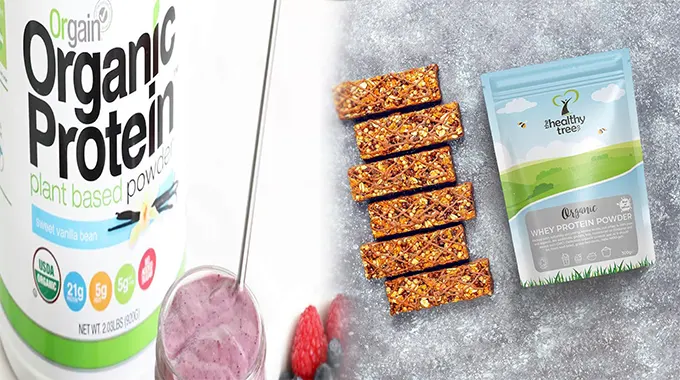
When it comes to muscle building, protein is a key nutrient that is essential for supporting muscle growth and recovery. For those who are conscious about the source and quality of their food products, non-GMO organic protein powders are an excellent choice. These protein powders are free from genetically modified organisms (GMOs) and are made from organic ingredients, ensuring a clean and natural way to enhance your muscle-building goals. Here, we highlight some of the top non-GMO organic protein powders that you can incorporate into your fitness routine:

Organic Plant-Based Protein Powder:

Plant-based protein powders are derived from sources like pea, rice, hemp, and chia seeds. Look for a non-GMO organic plant-based protein powder that offers a complete amino acid profile to support muscle growth and repair. These protein powders are easy to digest and are ideal for those with lactose intolerance or dietary restrictions.

Organic Whey Protein Powder:

If you prefer animal-based protein, organic whey protein powder sourced from grass-fed cows is a great option. Whey protein is a complete protein that contains all essential amino acids and is known for its fast absorption rate, making it ideal for post-workout recovery. Opt for a non-GMO organic whey protein powder to ensure that you are getting a high-quality product without any artificial additives or preservatives.

Organic Pea Protein Powder:

Pea protein is an excellent plant-based protein source that is rich in branched-chain amino acids (BCAAs) like leucine, isoleucine, and valine. These BCAAs are crucial for muscle protein synthesis and muscle repair. Choose a non-GMO organic pea protein powder that is free from gluten, soy, and dairy, making it suitable for individuals with specific dietary concerns.

Organic Brown Rice Protein Powder:

Brown rice protein powder is another plant-based protein option that is easily digestible and hypoallergenic. It …

Exploring the Benefits of Cold-Pressed Organic Juices for Detoxification

In the quest for optimal health and well-being, detoxification has gained significant attention as a way to cleanse the body of toxins and reinvigorate the system. Cold-pressed organic juices have emerged as a popular choice for individuals seeking a natural and effective method of detoxing. In this article, we delve into the benefits of cold-pressed organic juices for detoxification and their potential impact on overall health.

Nutrient Retention and Bioavailability:

One of the primary advantages of cold-pressed organic juices for detox is their superior nutrient retention. The cold-pressed extraction method involves using hydraulic pressure to extract juice from fruits and vegetables without generating heat, preserving the vital enzymes, vitamins, and minerals present in the ingredients. This process ensures that the juices maintain their nutritional integrity, allowing for optimal bioavailability of nutrients that support the body’s natural detox processes.

Reduction of Toxin Load:

Cold-pressed organic juices can contribute to detoxification by serving as a concentrated source of antioxidants and phytonutrients. These powerful compounds help combat oxidative stress and reduce the burden of environmental toxins on the body. The consumption of organic fruits and vegetables in juice form enables the delivery of a diverse array of detoxifying nutrients, aiding the body in its efforts to neutralize and eliminate harmful substances.

Gentle Cleansing and Hydration:

Unlike more aggressive detox programs, cold-pressed organic juices offer a gentler approach to cleansing the body. The high water content of juices promotes hydration, which is essential for flushing out toxins and supporting the function of the liver and kidneys, the body’s primary detoxification organs. Additionally, the natural fiber present in some cold-pressed juices can support digestive health and regularity, further aiding in the elimination of waste and toxins from the body.

Support for Vital Organ Function:

The nutrients found in cold-pressed organic juices, such as vitamin C, …

Vegan and Organic Meal Delivery Services Near Me: A Guide to Healthy and Sustainable Eating

For individuals looking to embrace a healthier and more sustainable lifestyle, vegan and organic meal delivery services provide a convenient and nutritious option. Whether you’re committed to a plant-based diet or simply seeking to incorporate more organic options into your meals, these services offer a wide range of delicious and wholesome dishes. This article explores the benefits of vegan and organic meal delivery services and provides a guide to finding the best options near you.

Why Choose Vegan and Organic Meal Delivery Services?

Vegan and organic meal delivery services offer a multitude of benefits, including:

  1. Healthier Options: By choosing vegan and organic meals, you can fuel your body with nutrient-dense foods that support overall wellness and vitality.
  2. Sustainability: Organic ingredients are grown without synthetic pesticides and chemical fertilizers, reducing the environmental impact of agriculture. Additionally, plant-based diets have been linked to lower carbon footprints and reduced strain on natural resources.
  3. Convenience: With meal delivery services, you can enjoy nutritious and tasty meals without the hassle of grocery shopping, meal prep, and cooking.
  4. Variety: Many vegan and organic meal delivery services offer diverse menus with options to accommodate various dietary preferences and restrictions.

Finding Vegan and Organic Meal Delivery Services Near You:

When searching for vegan and organic meal delivery services in your area, consider the following steps:

  1. Online Research: Use search engines and food delivery platforms to find vegan and organic meal delivery services available in your locality. Look for customer reviews and ratings to gauge the quality of the offerings.
  2. Social Media and Local Directories: Explore social media platforms and local business directories for recommendations from other individuals who have used vegan and organic meal delivery services.
  3. Contact Local Restaurants and Cafés: Inquire with local vegan restaurants, health food stores, and plant-based cafés to see if they offer meal