Anti-Inflammatory Meal Prep Ideas for Healthy Aging

Aging is an inevitable biological process, but the rate at which we age is remarkably plastic. In the field of longevity science, researchers have coined a term for the primary driver of physical decline: “Inflammaging.” This refers to the chronic, low-grade, systemic inflammation that develops with age, even in the absence of overt infection.

Inflammaging acts as a “silent accelerator,” contributing to the degradation of our Telomeres (the protective caps on our DNA) and driving the development of age-related conditions. While genetics play a role, our environment—specifically our dietary choices—serves as the master regulator. By utilizing strategic meal prep to flood our system with anti-inflammatory compounds, we can effectively flip the “off switch” on systemic inflammation and support a longer, more vibrant “healthspan.”

The Biological Mechanism: Quenching the Fire

At the cellular level, inflammation is managed by a “master switch” protein complex called NF-kB. When triggered by processed sugars, trans fats, or chronic stress, NF-kB enters the cell nucleus and turns on the genes responsible for inflammation. Over time, this results in Oxidative Stress, a state where unstable molecules called free radicals damage our cellular architecture.

Anti-inflammatory meal prepping focuses on foods rich in Phytochemicals and Antioxidants that inhibit NF-kB and neutralize free radicals. Inspired by the “Blue Zones”—regions where people live significantly longer than the global average—this approach prioritizes whole, plant-forward ingredients that provide the body with the raw materials needed for cellular repair.

The 5 Power Pillars of Anti-Inflammatory Meal Prep

To make healthy aging sustainable, your kitchen must be stocked with these “power pillars.” Here is the science of why they work and how to prep them efficiently.

1. Cruciferous Power (The Sulforaphane Source)

Broccoli, cauliflower, kale, and Brussels sprouts are non-negotiable for longevity. They contain glucosinolates, which convert into Sulforaphane.

  • The Why: Sulforaphane

Easy Fermented Food Recipes for Reducing Anxiety and Stress

In the modern world, we tend to treat anxiety as a purely “top-down” issue—something occurring solely within the mind that must be managed through thought and therapy. While mental strategies are vital, a revolutionary shift in nutritional psychiatry has revealed that calm often begins “bottom-up.” Specifically, it starts in the gut.

Scientists now refer to the connection between our digestive tract and our brain as the Gut-Brain Axis. This bidirectional highway, primarily linked by the Vagus Nerve, allows our gut bacteria to communicate directly with our emotional centers. Remarkably, an estimated 90% of the body’s Serotonin (the “feel-good” hormone) and a significant portion of its GABA (the primary inhibitory neurotransmitter responsible for “calming” the nervous system) are produced in the gut.

When our Microbiome—the internal ecosystem of trillions of bacteria—is out of balance, it can send distress signals to the brain, manifesting as anxiety, brain fog, and a heightened stress response. By introducing “Psychobiotics” (probiotics that specifically benefit mental health) through fermented foods, we can cultivate a “quiet mind” by first nourishing a “happy gut.”

The Science of Stress Relief: Lowering Cortisol

Chronic stress triggers the release of Cortisol, a hormone that, in high amounts, creates systemic inflammation. This inflammation can break down the gut lining, leading to “leaky gut,” which further fuels anxiety in a vicious cycle.

Fermented foods intervene by providing beneficial bacteria like Lactobacillus and Bifidobacterium. These microbes help strengthen the gut barrier and have been shown in clinical studies to lower cortisol levels and improve the body’s resilience to stress. Furthermore, the fermentation process pre-digests nutrients, making minerals like magnesium—the “original chill pill”—more bioavailable to the body.

Three “Anxiety-Busting” Recipes for Beginners

The following recipes are designed to be low-stress and high-reward. They require no special equipment other than clean glass …

Natural Foods That Support Metabolic Health and Weight Management

In contemporary health discourse, the conversation around weight has shifted. We are moving away from the reductive “calories in vs. calories out” model and toward a more nuanced understanding of Metabolic Health. To be metabolically healthy is to have a body that efficiently processes energy—one that maintains stable blood sugar, high insulin sensitivity, and robust mitochondrial function.

The ultimate goal of a metabolism-first approach is Metabolic Flexibility: the ability of your cells to switch seamlessly between burning glucose (carbs) and fatty acids (fat) for fuel. When this system is broken, we experience chronic fatigue, stubborn weight gain, and “brain fog.” However, by viewing food not just as fuel, but as biochemical information, we can use natural ingredients to recalibrate our internal machinery.

The Biological Mechanism: The Blood Sugar-Insulin Axis

At the heart of metabolic health lies the relationship between glucose and insulin. Every time we eat, our blood sugar rises, and the pancreas releases insulin to usher that sugar into our cells. However, when we consume highly processed, high-glycemic foods, we create massive “spikes” in Postprandial Glucose (blood sugar after a meal).

Over time, constant spikes lead to Insulin Resistance. When your cells stop “listening” to insulin, the body compensates by pumping out even more of it. Since insulin is a primary storage hormone, high levels effectively lock your fat cells, making weight management nearly impossible. Supporting your metabolism means choosing foods that “level out” this curve, allowing insulin levels to drop low enough for the body to access stored fat.

Metabolic Superfoods and the Science Behind Them

Specific natural foods contain bioactive compounds that intervene in these metabolic pathways, improving efficiency from the inside out.

1. Apple Cider Vinegar (ACV): The Glucose Buffer

ACV is more than a culinary staple; it is a metabolic tool. …

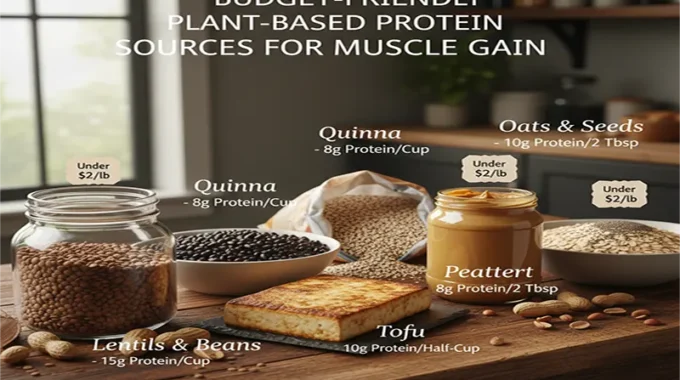
Budget-Friendly Plant-Based Protein Sources for Muscle Gain

There is a persistent myth in the fitness world that building a muscular, athletic physique requires an endless supply of expensive whey isolates, wild-caught salmon, and organic grass-fed beef. For those looking to transition to a plant-based diet—or those already there—the concern is often financial: “Can I actually hit my protein macros without spending my entire paycheck at a high-end health food store?”

The answer is a resounding yes. In fact, when you look at the “protein-per-dollar” ratio, plant-based staples like lentils, beans, and soy are consistently the most cost-effective fuels on the planet. Building muscle is about two things: a progressive resistance training stimulus and hitting your total daily protein and caloric needs.

The Science of Plant Protein and Hypertrophy

To build muscle (hypertrophy), your body needs amino acids—the building blocks of protein. Of the twenty amino acids, nine are “essential,” meaning your body cannot make them and you must get them from food.

A common critique of plant protein is that it is “incomplete.” While it is true that some plants are lower in specific amino acids (like lysine in grains or methionine in legumes), the concept of “complementary proteins” solves this easily. By eating a variety of sources—like rice and beans or peanut butter on whole-grain bread—you create a complete amino acid profile across the day.

For muscle gain, the most important amino acid is Leucine. Leucine acts as the “on switch” for Muscle Protein Synthesis (MPS). While animal products are high in leucine, you can easily reach the threshold (roughly 2.5–3g per meal) by consuming larger servings of plant staples or focusing on leucine-rich plants like soy and pumpkin seeds.

The “Heavy Hitters”: Most Protein for Your Penny

If you want to maximize gains on a budget, these five categories should form the bedrock …

Top Nootropic Foods to Improve Focus and Mental Clarity

In the modern professional landscape, our cognitive output is our most valuable currency. Whether you are navigating complex data, creative problem-solving, or managing high-stakes projects, your “brainpower” is the engine of your success. Yet, while we meticulously track our physical workouts or optimize our software, we often neglect the biological hardware responsible for our focus: the brain.

The brain is an incredibly demanding organ. Despite representing only 2% of our body weight, it consumes roughly 20% of our daily caloric intake. However, it doesn’t just need calories; it needs high-octane, specific nutrients to facilitate the lightning-fast communication between billions of neurons. This is where nootropics—compounds that enhance cognitive function—come into play. Through the lens of nutritional neuroscience, we can select specific “smart foods” to sharpen our mental edge and protect our long-term brain health.

The Neurochemical Foundation of Focus

Before diving into the grocery list, it is essential to understand the “chemical messengers” these foods influence. To achieve peak mental clarity, we are essentially trying to optimize three key elements:

  • Acetylcholine: Known as the “learning neurotransmitter,” it is vital for memory, focus, and muscle control.
  • Dopamine: The “motivation molecule.” It drives our desire to complete tasks and maintains our attention span.
  • BDNF (Brain-Derived Neurotrophic Factor): Often called “Miracle-Gro for the brain,” this protein supports the survival of existing neurons and encourages the growth of new ones (neuroplasticity).

By choosing foods that act as precursors to these chemicals or protect the neurons that house them, we can essentially “biohack” our way to better focus.

The “Elite” Nootropic Foods

1. Fatty Fish: The Structural Integrity

The human brain is nearly 60% fat. Fatty fish—such as salmon, sardines, mackerel, and trout—are rich sources of Omega-3 fatty acids, specifically DHA (docosahexaenoic acid) and EPA.

  • The Edge: DHA is