
Alcohol-Free Botanical Spirits for Healthy Social Drinking

For centuries, the “social lubricant” of choice has been ethanol. From the taverns of old Europe to the modern cocktail bars of Manhattan, alcohol has been the undisputed pillar of adult connection. But a quiet revolution is taking place. A new generation of “Sober Curious” professionals is redefining what it means to have a “drink.”

This movement isn’t necessarily about total abstinence or recovery; it is about Metabolic Health, cognitive longevity, and the refusal to trade tomorrow’s clarity for tonight’s buzz. The rise of alcohol-free botanical spirits represents a cultural “upgrade”—a way to maintain the sophisticated ritual of a cocktail without the neurotoxic and metabolic toll of alcohol.

The Science of Distillation Without Ethanol

One of the most common misconceptions about alcohol-free spirits is that they are simply “expensive flavored water.” In reality, the production of a high-quality botanical spirit is a feat of chemical engineering.

Traditional spirits use Ethanol as a solvent to extract flavors from plants. Alcohol-free producers, however, must find alternative ways to capture the Terpenes (aromatic compounds) and essential oils of their ingredients.

  • Steam Distillation: This involves passing steam through botanicals like juniper, peppercorns, and citrus peels. Each botanical is often distilled at a specific temperature to capture its “soul” without burning the delicate oils.
  • Maceration: Some producers soak botanicals in water or small amounts of glycerin to extract deep, earthy notes from roots and barks like gentian or cinchona.
  • The Result: A complex liquid that mimics the “bite” and mouthfeel of alcohol through the use of capsicum (chili) or ginger, while delivering a sophisticated flavor profile that evolves on the palate.

The Health Perspective: Why Your Body Thanks You

The decision to swap a traditional gin for a botanical alternative has immediate physiological benefits that extend far beyond avoiding a hangover.
1. Metabolic Health

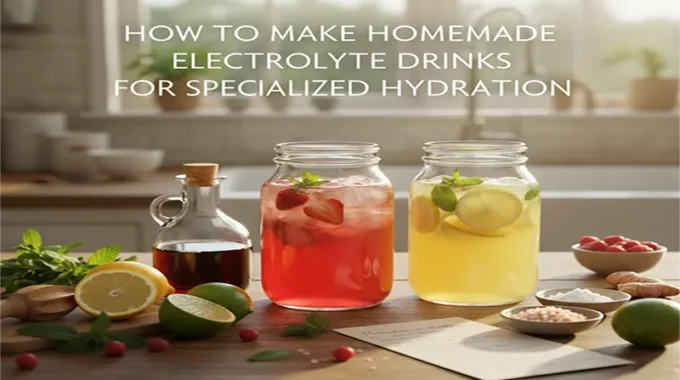
How to Make Homemade Electrolyte Drinks for Specialized Hydration

In the world of fitness and wellness, “hydration” is often treated as a synonym for “drinking more water.” However, water is only one half of the equation. To truly hydrate at a cellular level, your body requires Electrolytes—essential minerals that carry an electric charge. These minerals, including Sodium, Potassium, Magnesium, and Calcium, are responsible for nerve signaling, muscle contraction, and maintaining the delicate fluid balance inside and outside your cells.

While neon-colored commercial sports drinks have dominated the market for decades, they often come with a heavy baggage of artificial dyes, high-fructose corn syrup, and synthetic preservatives. By making your own electrolyte drinks, you can control the Bioavailability of the minerals and tailor the Osmolality (the concentration of particles in the fluid) to your specific physical needs.

The Anatomy of an Electrolyte: Why Salt and Sugar Matter

To understand specialized hydration, we must understand the Sodium-Glucose Co-Transporter. In the lining of the small intestine, there is a “protein pump” that moves nutrients into the bloodstream. This pump is specifically designed to transport one molecule of glucose along with two molecules of sodium.

When you add a precise, small amount of sugar (glucose) to a salt-water solution, it acts as a “carrier,” pulling water and minerals into your system much faster than plain water ever could. This is the difference between an Isotonic drink (which matches the concentration of your blood) and a Hypotonic drink (which is more dilute for faster absorption).

The Three Specialized Electrolyte Formulas

Not all hydration needs are equal. A marathon runner in 90°C heat requires a different mineral profile than someone recovering from a stomach flu or a professional sitting at a desk.

1. The Endurance Athlete (High Intensity)

When you sweat heavily for over 60 minutes, you aren’t just losing water; you are …

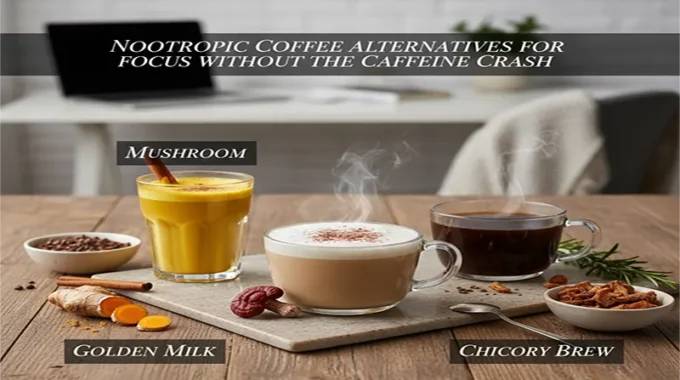
Nootropic Coffee Alternatives for Focus Without the Caffeine Crash

For millions, the day does not truly begin until the first sip of coffee hits the palate. We rely on that dark elixir to jumpstart our synapses and clear the morning fog. Yet, there is a fundamental flaw in the coffee-driven life: the “Coffee Paradox.” The very substance we use to achieve peak alertness often debt-finances our energy, leading to a profound 2:00 PM slump that requires another cup to fix.

This cycle of spikes and crashes is not just frustrating; it’s inefficient. As the “biohacking” and productivity communities move toward a more sustainable model of Cognitive Endurance, a new category of beverages has emerged. By utilizing nootropics—compounds that enhance brain function—these alternatives offer a way to stay sharp, focused, and creative without the jittery highs or the inevitable adenosine rebound.

The Science of the Crash: Why Coffee Fails Us

To understand why coffee eventually makes us tired, we have to look at a molecule called Adenosine. Throughout the day, adenosine builds up in your brain, acting as a “sleepiness” signal that tells your body it’s time to rest.

Caffeine is a master of deception. It is structurally similar to adenosine, allowing it to plug into adenosine receptors and block them. However, it doesn’t stop the production of adenosine; it merely prevents the brain from “sensing” it. When the caffeine is eventually metabolized, the massive buildup of adenosine floods the receptors all at once. This is the “crash”—a sudden, overwhelming wave of fatigue that no amount of willpower can overcome.

Nootropics operate on a different frequency. Instead of masking fatigue, they often support the structural health of neurons or modulate neurotransmitters like Acetylcholine and Dopamine in a way that promotes a steady “flow state” rather than a chemical spike.

The Top 5 Nootropic Alternatives for Sustained Focus

Natural Drinks to Increase Satiety and Support Metabolic Health

In the modern nutritional landscape, we are often told that “calories are calories.” However, anyone who has ever felt a “sugar crash” after a soda versus the steady energy of a high-protein meal knows this isn’t the full story. This is especially true in the realm of liquid nutrition. While the wrong drinks can spike your blood sugar and leave you ravenous, the right natural tonics can be powerful tools for metabolic health—the body’s ability to efficiently process, store, and utilize energy without causing systemic inflammation or hormonal chaos.

True satiety is not just the physical sensation of a “full stomach.” It is a complex hormonal symphony. When we choose drinks that stabilize our internal chemistry, we move away from the “blood sugar rollercoaster” and toward metabolic flexibility.

The Hormonal Players: Why We Feel Hungry

To manage hunger, we must manage hormones. Three primary players dictate whether you reach for a snack or feel content:

  • Insulin: Often called the “storage hormone,” insulin rises when we consume carbohydrates. When insulin is constantly high (due to sugary drinks), the body stays in “storage mode,” making it difficult to access stored fat for fuel.
  • Ghrelin: Known as the “hunger hormone,” it is produced in the stomach and signals to your brain that it’s time to eat.
  • Leptin: The “fullness hormone.” It is produced by fat cells and tells the brain you have enough energy stored and can stop eating.
  • GLP-1 (Glucagon-like peptide-1): A hormone produced in the gut that slows down digestion and signals the brain to feel satiated. This is the same hormone targeted by modern metabolic medications.

The “Big Five” Functional Drinks for Metabolic Support

By incorporating these five natural drinks, you can influence these hormones and provide your metabolism with a strategic advantage.

1. Apple Cider Vinegar (ACV) Tonics:

The Best Adaptogen Drinks for Stress Relief and Deep Sleep

In our hyper-connected, always-on modern world, stress has become a silent background hum that many of us simply accept as a part of life. However, this chronic activation of our stress response systems—specifically the hypothalamic-pituitary-adrenal (HPA) axis—can lead to burnout, anxiety, and a devastating impact on our sleep quality. As we seek ways to reclaim our calm, a category of ancient botanicals has re-emerged into the spotlight: adaptogens.

Adaptogens are unique plants and mushrooms that help the body “adapt” to physical, chemical, or biological stressors. Unlike a sedative that knocks you out or a stimulant that wires you, adaptogens work as a thermostat, balancing your body’s internal environment. When incorporated into evening drink rituals, these functional herbs offer a bridge between the chaos of the day and the restorative stillness of deep sleep.

The Science of the Circadian Rhythm and Cortisol

To understand why adaptogen drinks are so effective, we must look at the dance between cortisol and melatonin. Under ideal conditions, our cortisol levels (the “alertness” hormone) should peak in the morning and drop significantly in the evening. As cortisol falls, melatonin (the “sleep” hormone) rises, signaling to our brain that it is time to power down.

Modern life disrupts this rhythm. Late-night emails, blue light from screens, and general anxiety keep our cortisol levels “sticky” and high well into the evening. This creates the “tired but wired” phenomenon. Adaptogens help regulate the HPA axis, smoothing out the cortisol spikes. By lowering the chemical noise of stress, they create the physiological “silence” necessary for melatonin to perform its job, leading to a faster onset of sleep and deeper, more restorative cycles.

The “Big Four” Adaptogens for Sleep

While many adaptogens exist, four stand out for their specific ability to calm the nervous system and prepare the …