
Low-Carb Fruits for Diabetics That Won’t Raise Blood Sugar Quickly

For individuals managing diabetes, monitoring carbohydrate intake is essential for regulating blood sugar levels. While some fruits are naturally high in carbohydrates and can cause rapid spikes in blood glucose, there are several low-carb fruit options that can be included in a diabetic-friendly diet without significantly impacting blood sugar levels. Here are some low-carb fruits that are ideal for individuals with diabetes:

1. Berries

  • Berries such as strawberries, blueberries, raspberries, and blackberries are excellent choices for diabetics due to their low carbohydrate content and high fiber content. The fiber in berries helps slow down the release of sugars into the bloodstream, preventing rapid spikes in blood glucose.

2. Avocado

  • While technically a fruit, avocados are low in carbohydrates and high in healthy fats, making them a suitable option for diabetics. The monounsaturated fats in avocados have been associated with improved insulin sensitivity and blood sugar control.

3. Tomatoes

  • Tomatoes are a low-sugar fruit that can be incorporated into a diabetic diet. They are versatile and can be enjoyed in salads, salsas, and as a base for sauces, providing essential nutrients without significantly impacting blood sugar levels.

4. Lemons and Limes

  • Lemons and limes are low in carbohydrates and can add refreshing flavor to water or dishes without contributing to rapid blood glucose elevations. They are also rich in vitamin C and antioxidants, offering additional health benefits.

5. Peaches

  • While slightly higher in carbohydrates than some other options, peaches in moderation can be included in a diabetic meal plan. Choosing smaller, fresh peaches and pairing them with protein or healthy fats can help mitigate their impact on blood sugar levels.

6. Cantaloupe

  • Cantaloupe, when consumed in moderation, can be a refreshing and low-carb fruit option for diabetics. It is lower in sugar compared to other melons and can be enjoyed as
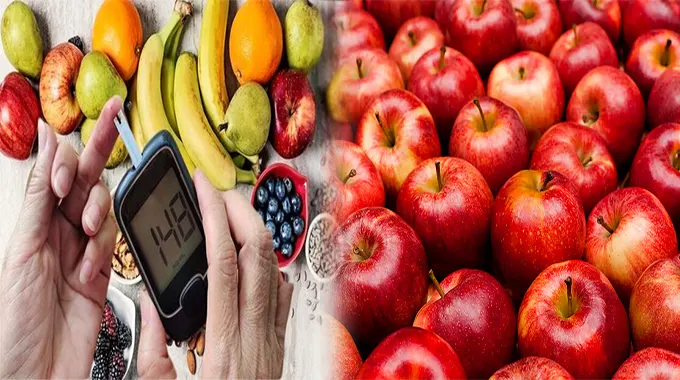

Are Apples Good for Diabetics? Best Ways to Eat Them Without Spiking Glucose

Diabetes is a condition that affects millions of people worldwide, making it crucial to manage blood sugar levels effectively through proper diet and nutrition. Apples are a popular fruit known for their numerous health benefits, but are they suitable for individuals with diabetes?

The Relationship Between Apples and Diabetes

Apples are generally considered a healthy choice for diabetics due to their low glycemic index. This means that the natural sugars in apples are released slowly into the bloodstream, preventing sudden spikes in blood glucose levels. Additionally, apples are rich in fiber, which can help regulate blood sugar levels and improve overall digestion.

Best Ways to Incorporate Apples into a Diabetic-Friendly Diet

Here are some tips for enjoying apples without causing a significant impact on blood sugar levels:

1. Pair with Protein or Healthy Fats

  • Combining apples with protein or healthy fats can help slow down the absorption of sugars, reducing the risk of spikes in blood glucose. For example, enjoy slices of apple with a handful of nuts or nut butter.

2. Choose Whole Apples over Juice

  • Opt for whole apples instead of apple juice or processed apple products. Whole apples contain more fiber, which can aid in stabilizing blood sugar levels.

3. Consider the Timing

  • Consuming apples as part of a balanced meal can help mitigate any potential effects on blood sugar levels. Avoid eating apples on an empty stomach or as a standalone snack.

4. Monitor Portion Sizes

  • While apples are nutritious, it’s essential to watch portion sizes, especially for individuals with diabetes. Stick to one small to medium-sized apple per serving to help manage blood sugar levels effectively.

5. Experiment with Different Varieties

  • Different apple varieties may have varying impacts on blood sugar levels. Consider trying different types of apples to see which ones work best for

How Much Fruit Can a Type 2 Diabetic Eat Per Day Safely?

For individuals with type 2 diabetes, managing their fruit intake is an important aspect of maintaining blood sugar levels and overall health. While fruits are naturally rich in vitamins, minerals, and fiber, they also contain natural sugars that can impact blood glucose levels. Therefore, it’s essential for people with type 2 diabetes to strike a balance between enjoying the nutritional benefits of fruits and ensuring that their sugar intake remains controlled. So, how much fruit can a type 2 diabetic eat per day safely? Let’s explore this question in more detail.

The American Diabetes Association recommends that individuals with diabetes should consume around 2 to 4 servings of fruit per day. One serving of fruit is equivalent to one small apple, one-half of a large banana, one cup of berries, or one small orange. However, the specific amount of fruit that a person with type 2 diabetes can safely consume may vary based on factors such as their individual blood sugar levels, overall dietary habits, and physical activity levels.

It’s important to note that the glycemic index (GI) of different fruits can vary. The GI is a measure of how quickly and significantly a food raises blood sugar levels. Fruits with a lower GI, such as berries, cherries, and apples, are often preferable for individuals with diabetes as they are less likely to cause rapid spikes in blood glucose levels. On the other hand, fruits with a higher GI, such as watermelon and pineapple, should be consumed in moderation.

In addition to the GI, the total carbohydrate content of fruits should also be taken into consideration. Monitoring portion sizes and being mindful of the total carbohydrate intake from fruits is crucial for managing blood sugar levels. Including fruits as part of a balanced meal or snack that contains protein, fiber, …

Top 5 Diabetic-Friendly Berries for Snacking and Smoothies

When managing diabetes, it’s important to choose foods that help stabilize blood sugar levels while still providing essential nutrients and great taste. Berries are a wonderful option for individuals with diabetes, as they are low in sugar, high in fiber, and packed with antioxidants. Here are the top 5 diabetic-friendly berries that you can incorporate into your snacking and smoothie routines:

Blueberries:

Blueberries are renowned for their high levels of antioxidants, particularly anthocyanins, which have been shown to improve insulin sensitivity. These small, flavorful berries also have a low glycemic index, meaning they do not cause a rapid spike in blood sugar levels. Enjoy them on their own as a snack or add them to your favorite smoothie for a burst of vibrant color and flavor.

Raspberries:

Raspberries are not only delicious but also low in sugar and high in fiber. The fiber content in raspberries can help regulate blood sugar levels and promote digestive health. Add raspberries to your yogurt, oatmeal, or smoothies for a sweet and tangy treat that won’t cause a sharp increase in blood glucose levels.

Strawberries:

Strawberries are a great choice for diabetics due to their low sugar content and abundance of vitamin C. Vitamin C is known to have a positive impact on blood sugar control and insulin sensitivity. Enjoy fresh strawberries as a snack, or blend them into a refreshing smoothie with some low-fat yogurt for a satisfying treat.

Blackberries:

Blackberries are rich in fiber, vitamins, and minerals, making them an excellent choice for individuals with diabetes. The soluble fiber in blackberries can help slow down the absorption of glucose and promote a feeling of fullness. Sprinkle blackberries on top of a salad, mix them into a chia seed pudding, or incorporate them into a delicious smoothie for a …

Can Diabetics Eat Bananas? Understanding the Glycemic Index and Portion Tips

For individuals managing diabetes, understanding how different foods impact blood sugar levels is crucial. Bananas, a popular and nutritious fruit, are often a subject of debate among diabetics due to their natural sugar content. In this article, we explore the question, “Can diabetics eat bananas?” by examining the glycemic index of bananas and providing portion tips to help individuals with diabetes make informed dietary choices.

Understanding the Glycemic Index of Bananas:

The glycemic index (GI) is a measure that ranks carbohydrate-containing foods based on their effect on blood sugar levels. Foods with a low GI (55 or less) are digested and absorbed more slowly, leading to a gradual rise in blood sugar levels. On the other hand, foods with a high GI (70 or above) are rapidly digested and cause a more significant spike in blood sugar.

Bananas fall in the medium range on the glycemic index scale, with a GI value of approximately 51. This means that bananas are considered a low to medium GI food, making them a suitable option for individuals with diabetes when consumed in moderation.

Portion Tips for Diabetics When Eating Bananas:

While bananas can be included in a balanced and diabetic-friendly diet, it is essential to be mindful of portion sizes to manage blood sugar levels effectively. Here are some portion tips for diabetics when eating bananas:

  1. Opt for Smaller Bananas: Choosing smaller-sized bananas can help control the carbohydrate intake per serving, reducing the impact on blood sugar levels.
  2. Pair with Protein or Fiber: To further minimize the glycemic effect of bananas, consider eating them with a source of protein or fiber, such as nuts, Greek yogurt, or chia seeds. This combination can help slow down the digestion of carbohydrates and prevent sharp fluctuations in blood sugar.
  3. Monitor Blood Glucose Response: Pay attention to