
Nootropic Coffee Alternatives for Focus Without the Caffeine Crash

For millions, the day does not truly begin until the first sip of coffee hits the palate. We rely on that dark elixir to jumpstart our synapses and clear the morning fog. Yet, there is a fundamental flaw in the coffee-driven life: the “Coffee Paradox.” The very substance we use to achieve peak alertness often debt-finances our energy, leading to a profound 2:00 PM slump that requires another cup to fix.

This cycle of spikes and crashes is not just frustrating; it’s inefficient. As the “biohacking” and productivity communities move toward a more sustainable model of Cognitive Endurance, a new category of beverages has emerged. By utilizing nootropics—compounds that enhance brain function—these alternatives offer a way to stay sharp, focused, and creative without the jittery highs or the inevitable adenosine rebound.

The Science of the Crash: Why Coffee Fails Us

To understand why coffee eventually makes us tired, we have to look at a molecule called Adenosine. Throughout the day, adenosine builds up in your brain, acting as a “sleepiness” signal that tells your body it’s time to rest.

Caffeine is a master of deception. It is structurally similar to adenosine, allowing it to plug into adenosine receptors and block them. However, it doesn’t stop the production of adenosine; it merely prevents the brain from “sensing” it. When the caffeine is eventually metabolized, the massive buildup of adenosine floods the receptors all at once. This is the “crash”—a sudden, overwhelming wave of fatigue that no amount of willpower can overcome.

Nootropics operate on a different frequency. Instead of masking fatigue, they often support the structural health of neurons or modulate neurotransmitters like Acetylcholine and Dopamine in a way that promotes a steady “flow state” rather than a chemical spike.

The Top 5 Nootropic Alternatives for Sustained Focus

Natural Foods That Support Metabolic Health and Weight Management

In contemporary health discourse, the conversation around weight has shifted. We are moving away from the reductive “calories in vs. calories out” model and toward a more nuanced understanding of Metabolic Health. To be metabolically healthy is to have a body that efficiently processes energy—one that maintains stable blood sugar, high insulin sensitivity, and robust mitochondrial function.

The ultimate goal of a metabolism-first approach is Metabolic Flexibility: the ability of your cells to switch seamlessly between burning glucose (carbs) and fatty acids (fat) for fuel. When this system is broken, we experience chronic fatigue, stubborn weight gain, and “brain fog.” However, by viewing food not just as fuel, but as biochemical information, we can use natural ingredients to recalibrate our internal machinery.

The Biological Mechanism: The Blood Sugar-Insulin Axis

At the heart of metabolic health lies the relationship between glucose and insulin. Every time we eat, our blood sugar rises, and the pancreas releases insulin to usher that sugar into our cells. However, when we consume highly processed, high-glycemic foods, we create massive “spikes” in Postprandial Glucose (blood sugar after a meal).

Over time, constant spikes lead to Insulin Resistance. When your cells stop “listening” to insulin, the body compensates by pumping out even more of it. Since insulin is a primary storage hormone, high levels effectively lock your fat cells, making weight management nearly impossible. Supporting your metabolism means choosing foods that “level out” this curve, allowing insulin levels to drop low enough for the body to access stored fat.

Metabolic Superfoods and the Science Behind Them

Specific natural foods contain bioactive compounds that intervene in these metabolic pathways, improving efficiency from the inside out.

1. Apple Cider Vinegar (ACV): The Glucose Buffer

ACV is more than a culinary staple; it is a metabolic tool. …

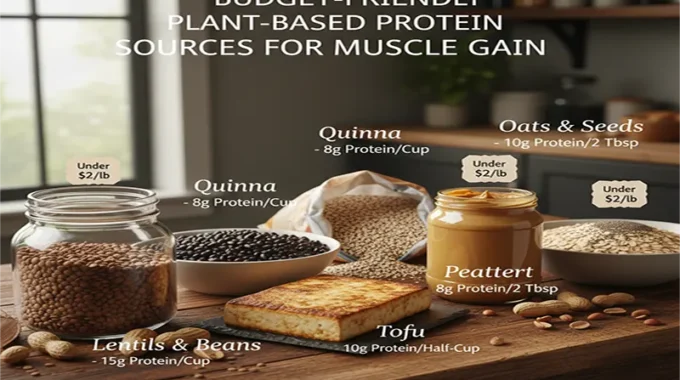
Budget-Friendly Plant-Based Protein Sources for Muscle Gain

There is a persistent myth in the fitness world that building a muscular, athletic physique requires an endless supply of expensive whey isolates, wild-caught salmon, and organic grass-fed beef. For those looking to transition to a plant-based diet—or those already there—the concern is often financial: “Can I actually hit my protein macros without spending my entire paycheck at a high-end health food store?”

The answer is a resounding yes. In fact, when you look at the “protein-per-dollar” ratio, plant-based staples like lentils, beans, and soy are consistently the most cost-effective fuels on the planet. Building muscle is about two things: a progressive resistance training stimulus and hitting your total daily protein and caloric needs.

The Science of Plant Protein and Hypertrophy

To build muscle (hypertrophy), your body needs amino acids—the building blocks of protein. Of the twenty amino acids, nine are “essential,” meaning your body cannot make them and you must get them from food.

A common critique of plant protein is that it is “incomplete.” While it is true that some plants are lower in specific amino acids (like lysine in grains or methionine in legumes), the concept of “complementary proteins” solves this easily. By eating a variety of sources—like rice and beans or peanut butter on whole-grain bread—you create a complete amino acid profile across the day.

For muscle gain, the most important amino acid is Leucine. Leucine acts as the “on switch” for Muscle Protein Synthesis (MPS). While animal products are high in leucine, you can easily reach the threshold (roughly 2.5–3g per meal) by consuming larger servings of plant staples or focusing on leucine-rich plants like soy and pumpkin seeds.

The “Heavy Hitters”: Most Protein for Your Penny

If you want to maximize gains on a budget, these five categories should form the bedrock …