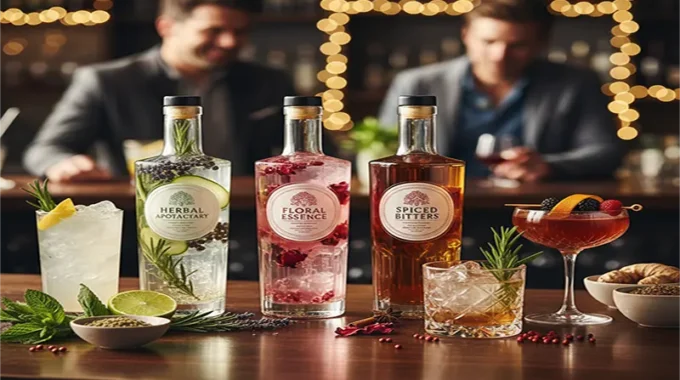
Alcohol-Free Botanical Spirits for Healthy Social Drinking

For centuries, the “social lubricant” of choice has been ethanol. From the taverns of old Europe to the modern cocktail bars of Manhattan, alcohol has been the undisputed pillar of adult connection. But a quiet revolution is taking place. A new generation of “Sober Curious” professionals is redefining what it means to have a “drink.”

This movement isn’t necessarily about total abstinence or recovery; it is about Metabolic Health, cognitive longevity, and the refusal to trade tomorrow’s clarity for tonight’s buzz. The rise of alcohol-free botanical spirits represents a cultural “upgrade”—a way to maintain the sophisticated ritual of a cocktail without the neurotoxic and metabolic toll of alcohol.

The Science of Distillation Without Ethanol

One of the most common misconceptions about alcohol-free spirits is that they are simply “expensive flavored water.” In reality, the production of a high-quality botanical spirit is a feat of chemical engineering.

Traditional spirits use Ethanol as a solvent to extract flavors from plants. Alcohol-free producers, however, must find alternative ways to capture the Terpenes (aromatic compounds) and essential oils of their ingredients.

  • Steam Distillation: This involves passing steam through botanicals like juniper, peppercorns, and citrus peels. Each botanical is often distilled at a specific temperature to capture its “soul” without burning the delicate oils.
  • Maceration: Some producers soak botanicals in water or small amounts of glycerin to extract deep, earthy notes from roots and barks like gentian or cinchona.
  • The Result: A complex liquid that mimics the “bite” and mouthfeel of alcohol through the use of capsicum (chili) or ginger, while delivering a sophisticated flavor profile that evolves on the palate.

The Health Perspective: Why Your Body Thanks You

The decision to swap a traditional gin for a botanical alternative has immediate physiological benefits that extend far beyond avoiding a hangover.
1. Metabolic Health

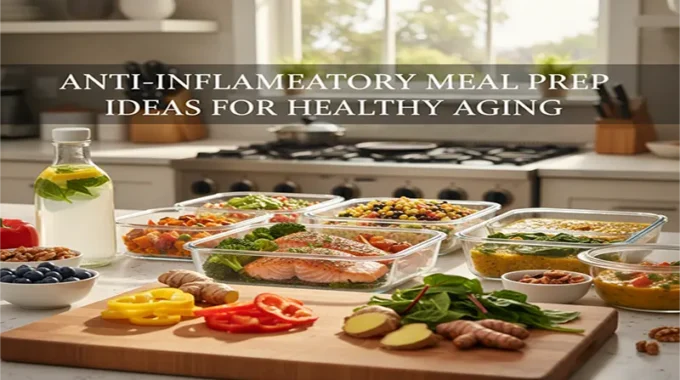
Anti-Inflammatory Meal Prep Ideas for Healthy Aging

Aging is an inevitable biological process, but the rate at which we age is remarkably plastic. In the field of longevity science, researchers have coined a term for the primary driver of physical decline: “Inflammaging.” This refers to the chronic, low-grade, systemic inflammation that develops with age, even in the absence of overt infection.

Inflammaging acts as a “silent accelerator,” contributing to the degradation of our Telomeres (the protective caps on our DNA) and driving the development of age-related conditions. While genetics play a role, our environment—specifically our dietary choices—serves as the master regulator. By utilizing strategic meal prep to flood our system with anti-inflammatory compounds, we can effectively flip the “off switch” on systemic inflammation and support a longer, more vibrant “healthspan.”

The Biological Mechanism: Quenching the Fire

At the cellular level, inflammation is managed by a “master switch” protein complex called NF-kB. When triggered by processed sugars, trans fats, or chronic stress, NF-kB enters the cell nucleus and turns on the genes responsible for inflammation. Over time, this results in Oxidative Stress, a state where unstable molecules called free radicals damage our cellular architecture.

Anti-inflammatory meal prepping focuses on foods rich in Phytochemicals and Antioxidants that inhibit NF-kB and neutralize free radicals. Inspired by the “Blue Zones”—regions where people live significantly longer than the global average—this approach prioritizes whole, plant-forward ingredients that provide the body with the raw materials needed for cellular repair.

The 5 Power Pillars of Anti-Inflammatory Meal Prep

To make healthy aging sustainable, your kitchen must be stocked with these “power pillars.” Here is the science of why they work and how to prep them efficiently.

1. Cruciferous Power (The Sulforaphane Source)

Broccoli, cauliflower, kale, and Brussels sprouts are non-negotiable for longevity. They contain glucosinolates, which convert into Sulforaphane.

  • The Why: Sulforaphane

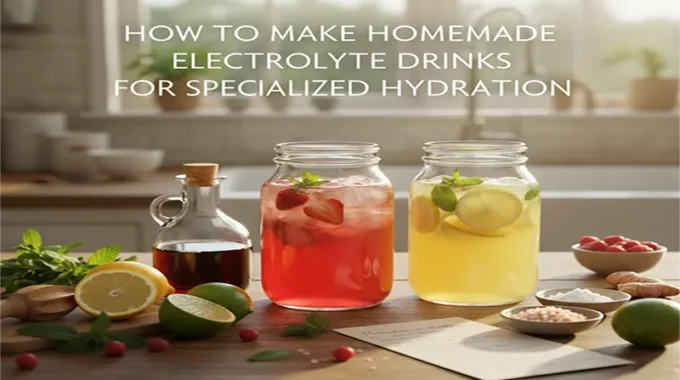
How to Make Homemade Electrolyte Drinks for Specialized Hydration

In the world of fitness and wellness, “hydration” is often treated as a synonym for “drinking more water.” However, water is only one half of the equation. To truly hydrate at a cellular level, your body requires Electrolytes—essential minerals that carry an electric charge. These minerals, including Sodium, Potassium, Magnesium, and Calcium, are responsible for nerve signaling, muscle contraction, and maintaining the delicate fluid balance inside and outside your cells.

While neon-colored commercial sports drinks have dominated the market for decades, they often come with a heavy baggage of artificial dyes, high-fructose corn syrup, and synthetic preservatives. By making your own electrolyte drinks, you can control the Bioavailability of the minerals and tailor the Osmolality (the concentration of particles in the fluid) to your specific physical needs.

The Anatomy of an Electrolyte: Why Salt and Sugar Matter

To understand specialized hydration, we must understand the Sodium-Glucose Co-Transporter. In the lining of the small intestine, there is a “protein pump” that moves nutrients into the bloodstream. This pump is specifically designed to transport one molecule of glucose along with two molecules of sodium.

When you add a precise, small amount of sugar (glucose) to a salt-water solution, it acts as a “carrier,” pulling water and minerals into your system much faster than plain water ever could. This is the difference between an Isotonic drink (which matches the concentration of your blood) and a Hypotonic drink (which is more dilute for faster absorption).

The Three Specialized Electrolyte Formulas

Not all hydration needs are equal. A marathon runner in 90°C heat requires a different mineral profile than someone recovering from a stomach flu or a professional sitting at a desk.

1. The Endurance Athlete (High Intensity)

When you sweat heavily for over 60 minutes, you aren’t just losing water; you are …

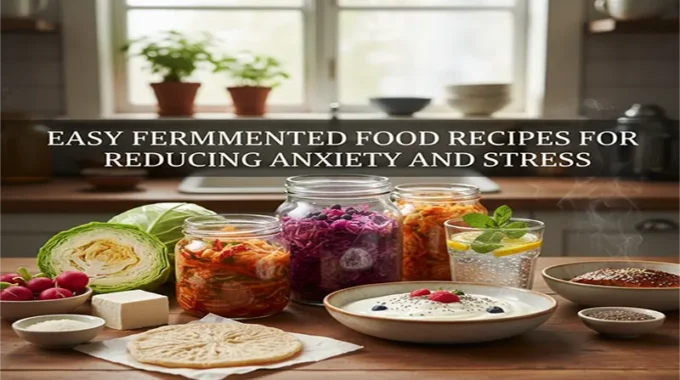
Easy Fermented Food Recipes for Reducing Anxiety and Stress

In the modern world, we tend to treat anxiety as a purely “top-down” issue—something occurring solely within the mind that must be managed through thought and therapy. While mental strategies are vital, a revolutionary shift in nutritional psychiatry has revealed that calm often begins “bottom-up.” Specifically, it starts in the gut.

Scientists now refer to the connection between our digestive tract and our brain as the Gut-Brain Axis. This bidirectional highway, primarily linked by the Vagus Nerve, allows our gut bacteria to communicate directly with our emotional centers. Remarkably, an estimated 90% of the body’s Serotonin (the “feel-good” hormone) and a significant portion of its GABA (the primary inhibitory neurotransmitter responsible for “calming” the nervous system) are produced in the gut.

When our Microbiome—the internal ecosystem of trillions of bacteria—is out of balance, it can send distress signals to the brain, manifesting as anxiety, brain fog, and a heightened stress response. By introducing “Psychobiotics” (probiotics that specifically benefit mental health) through fermented foods, we can cultivate a “quiet mind” by first nourishing a “happy gut.”

The Science of Stress Relief: Lowering Cortisol

Chronic stress triggers the release of Cortisol, a hormone that, in high amounts, creates systemic inflammation. This inflammation can break down the gut lining, leading to “leaky gut,” which further fuels anxiety in a vicious cycle.

Fermented foods intervene by providing beneficial bacteria like Lactobacillus and Bifidobacterium. These microbes help strengthen the gut barrier and have been shown in clinical studies to lower cortisol levels and improve the body’s resilience to stress. Furthermore, the fermentation process pre-digests nutrients, making minerals like magnesium—the “original chill pill”—more bioavailable to the body.

Three “Anxiety-Busting” Recipes for Beginners

The following recipes are designed to be low-stress and high-reward. They require no special equipment other than clean glass …