
Aging is an inevitable biological process, but the rate at which we age is remarkably plastic. In the field of longevity science, researchers have coined a term for the primary driver of physical decline: “Inflammaging.” This refers to the chronic, low-grade, systemic inflammation that develops with age, even in the absence of overt infection.
Inflammaging acts as a “silent accelerator,” contributing to the degradation of our Telomeres (the protective caps on our DNA) and driving the development of age-related conditions. While genetics play a role, our environment—specifically our dietary choices—serves as the master regulator. By utilizing strategic meal prep to flood our system with anti-inflammatory compounds, we can effectively flip the “off switch” on systemic inflammation and support a longer, more vibrant “healthspan.”
The Biological Mechanism: Quenching the Fire
At the cellular level, inflammation is managed by a “master switch” protein complex called NF-kB. When triggered by processed sugars, trans fats, or chronic stress, NF-kB enters the cell nucleus and turns on the genes responsible for inflammation. Over time, this results in Oxidative Stress, a state where unstable molecules called free radicals damage our cellular architecture.
Anti-inflammatory meal prepping focuses on foods rich in Phytochemicals and Antioxidants that inhibit NF-kB and neutralize free radicals. Inspired by the “Blue Zones”—regions where people live significantly longer than the global average—this approach prioritizes whole, plant-forward ingredients that provide the body with the raw materials needed for cellular repair.
The 5 Power Pillars of Anti-Inflammatory Meal Prep
To make healthy aging sustainable, your kitchen must be stocked with these “power pillars.” Here is the science of why they work and how to prep them efficiently.
1. Cruciferous Power (The Sulforaphane Source)
Broccoli, cauliflower, kale, and Brussels sprouts are non-negotiable for longevity. They contain glucosinolates, which convert into Sulforaphane.
- The Why: Sulforaphane activates the Nrf2 pathway, the body’s strongest internal antioxidant defense system.
- The Prep Tip: Use the “Chop & Wait” method. Chopping these vegetables activates the enzyme myrosinase needed to create sulforaphane. Chop your cruciferous veggies at least 40 minutes before cooking to maximize their medicinal value.
2. Omega-3 Rich Bases (The Membrane Builders)
Fatty fish (salmon, sardines), walnuts, and chia seeds are essential for brain and heart health.
- The Why: Omega-3 fatty acids compete with pro-inflammatory fats for a place in your cell membranes, resulting in a more flexible, less reactive cellular structure.
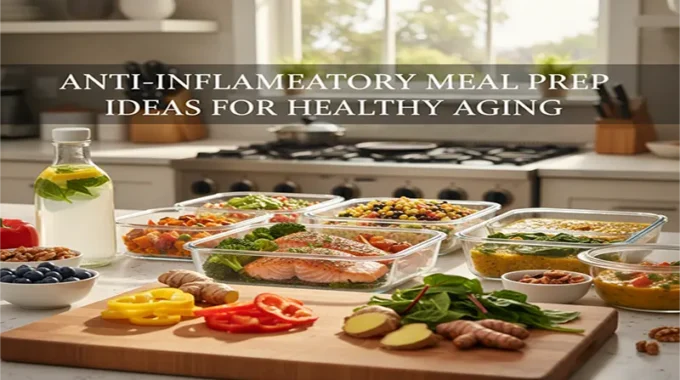
- The Prep Tip: Batch-poach 3–4 portions of wild-caught salmon at a low temperature (around 135°F/57°C) and store them in the fridge for easy protein toppers throughout the week.
3. Alliums & Aromatics (The Bioavailability Boosters)
Garlic, onions, ginger, and turmeric are the “pharmacy” of the kitchen.
- The Why: Turmeric’s active compound, curcumin, is one of the most potent natural inhibitors of NF-kB. Garlic supports the cardiovascular system by improving artery elasticity.
- The Prep Tip: Create an “Anti-Inflammatory Base Paste.” Blend fresh ginger, turmeric, and garlic with a splash of olive oil and black pepper. Store in a jar and add a tablespoon to every stir-fry or grain bowl you prep.
4. Berry & Citrus Blends (The DNA Protectors)
Blueberries, blackberries, and oranges provide Vitamin C and Anthocyanins.
- The Why: Anthocyanins give berries their deep color and have been shown to cross the blood-brain barrier to protect neurons from age-related decay.
- The Prep Tip: Wash and dry your berries thoroughly, then portion them into glass containers with a paper towel at the bottom. This prevents moisture buildup and keeps them fresh for a full 5-day work week.
5. Legumes & Ancient Grains (The Gut-Inflammation Axis)
Lentils, chickpeas, and quinoa are high-fiber powerhouses.
- The Why: Fiber is fermented by gut bacteria into short-chain fatty acids (SCFAs) like butyrate, which have a direct anti-inflammatory effect on the entire body.
- The Prep Tip: Cook a large pot of “Tri-Color Quinoa” or French green lentils on Sunday. These hold their texture better than softer grains and can be used in cold salads or warm bowls.
3-Day “Aging Gracefully” Meal Prep Menu
This plan focuses on high Bioavailability and low-stress assembly.
| Meal | Day 1 | Day 2 | Day 3 |
| Breakfast | Overnight Oats w/ Walnuts & Blueberries | Overnight Oats w/ Walnuts & Blueberries | Chia Seed Pudding w/ Raspberry Compote |
| Lunch | Mediterranean ‘Jar Salad’ (Chickpeas, Feta, Greens) | Mediterranean ‘Jar Salad’ (Chickpeas, Feta, Greens) | Salmon & Quinoa Bowl w/ Lemon-Dill Dressing |
| Dinner | Turmeric-Roasted Cauliflower & Salmon | Ginger-Garlic Lentil Stew w/ Sautéed Kale | Ginger-Garlic Lentil Stew w/ Sautéed Kale |
The “Golden” Rules of Anti-Inflammatory Cooking
The way you cook is just as important as what you cook. High-heat methods like deep-frying or charring meat create AGEs (Advanced Glycation End-products). These compounds act like “glue” in the body, cross-linking proteins and accelerating the aging of skin, joints, and arteries.
- Low and Slow: Prioritize steaming, poaching, or slow-cooking.
- The Acid Buffer: Marinating meats in acidic ingredients like lemon juice or apple cider vinegar before cooking can reduce the formation of AGEs by up to 50%.
- Use Healthy Fats Cold: Oils like Extra Virgin Olive Oil lose their anti-inflammatory properties when heated past their smoke point. Cook with avocado oil, but drizzle high-quality olive oil over your food after it comes off the heat.
Pro-Inflammatory vs. Anti-Inflammatory Swaps
| Avoid (Pro-Inflammatory) | Choose (Anti-Inflammatory) | The Longevity Benefit |
| Sunflower/Soybean Oil | Extra Virgin Olive Oil | High in polyphenols vs. Omega-6. |
| White Flour / Pasta | Quinoa or Buckwheat | Maintains stable blood sugar levels. |
| Refined Sugar | Fresh Berries or Raw Honey | Prevents glycation of skin collagen. |
| Charred / Grilled Meats | Steamed or Poached Fish | Lowers intake of inflammatory AGEs. |
A Legacy of Cellular Health
Healthy aging is not about a sudden, drastic overhaul in your eighth decade; it is about the quiet, consistent choices made at the kitchen counter today. When we meal prep with an anti-inflammatory lens, we aren’t just “saving time”—we are investing in our future self.
Each jar of overnight oats and every tray of turmeric-roasted cauliflower serves as a biological message to your cells: repair, protect, and thrive. Start small—prep one tray of roasted vegetables this Sunday—and witness how the “fountain of youth” is actually found in the deliberate, nourishing rituals of your own kitchen.