Can Diabetics Eat Bananas? Understanding the Glycemic Index and Portion Tips

For individuals managing diabetes, understanding how different foods impact blood sugar levels is crucial. Bananas, a popular and nutritious fruit, are often a subject of debate among diabetics due to their natural sugar content. In this article, we explore the question, “Can diabetics eat bananas?” by examining the glycemic index of bananas and providing portion tips to help individuals with diabetes make informed dietary choices.

Understanding the Glycemic Index of Bananas:

The glycemic index (GI) is a measure that ranks carbohydrate-containing foods based on their effect on blood sugar levels. Foods with a low GI (55 or less) are digested and absorbed more slowly, leading to a gradual rise in blood sugar levels. On the other hand, foods with a high GI (70 or above) are rapidly digested and cause a more significant spike in blood sugar.

Bananas fall in the medium range on the glycemic index scale, with a GI value of approximately 51. This means that bananas are considered a low to medium GI food, making them a suitable option for individuals with diabetes when consumed in moderation.

Portion Tips for Diabetics When Eating Bananas:

While bananas can be included in a balanced and diabetic-friendly diet, it is essential to be mindful of portion sizes to manage blood sugar levels effectively. Here are some portion tips for diabetics when eating bananas:

  1. Opt for Smaller Bananas: Choosing smaller-sized bananas can help control the carbohydrate intake per serving, reducing the impact on blood sugar levels.
  2. Pair with Protein or Fiber: To further minimize the glycemic effect of bananas, consider eating them with a source of protein or fiber, such as nuts, Greek yogurt, or chia seeds. This combination can help slow down the digestion of carbohydrates and prevent sharp fluctuations in blood sugar.
  3. Monitor Blood Glucose Response: Pay attention to

Vegan and Organic Meal Delivery Services Near Me: A Guide to Healthy and Sustainable Eating

For individuals looking to embrace a healthier and more sustainable lifestyle, vegan and organic meal delivery services provide a convenient and nutritious option. Whether you’re committed to a plant-based diet or simply seeking to incorporate more organic options into your meals, these services offer a wide range of delicious and wholesome dishes. This article explores the benefits of vegan and organic meal delivery services and provides a guide to finding the best options near you.

Why Choose Vegan and Organic Meal Delivery Services?

Vegan and organic meal delivery services offer a multitude of benefits, including:

  1. Healthier Options: By choosing vegan and organic meals, you can fuel your body with nutrient-dense foods that support overall wellness and vitality.
  2. Sustainability: Organic ingredients are grown without synthetic pesticides and chemical fertilizers, reducing the environmental impact of agriculture. Additionally, plant-based diets have been linked to lower carbon footprints and reduced strain on natural resources.
  3. Convenience: With meal delivery services, you can enjoy nutritious and tasty meals without the hassle of grocery shopping, meal prep, and cooking.
  4. Variety: Many vegan and organic meal delivery services offer diverse menus with options to accommodate various dietary preferences and restrictions.

Finding Vegan and Organic Meal Delivery Services Near You:

When searching for vegan and organic meal delivery services in your area, consider the following steps:

  1. Online Research: Use search engines and food delivery platforms to find vegan and organic meal delivery services available in your locality. Look for customer reviews and ratings to gauge the quality of the offerings.
  2. Social Media and Local Directories: Explore social media platforms and local business directories for recommendations from other individuals who have used vegan and organic meal delivery services.
  3. Contact Local Restaurants and Cafés: Inquire with local vegan restaurants, health food stores, and plant-based cafés to see if they offer meal

Best Low-Sugar Fruits for Diabetics to Control Blood Sugar Levels

Managing blood sugar levels is essential for individuals with diabetes, and one way to do so is by consuming low-sugar fruits. While fruits are an important part of a healthy diet, people with diabetes need to be cautious about their fruit choices due to their natural sugar content. This article will highlight some of the best low-sugar fruits that diabetics can incorporate into their diet to help control blood sugar levels.

Berries:

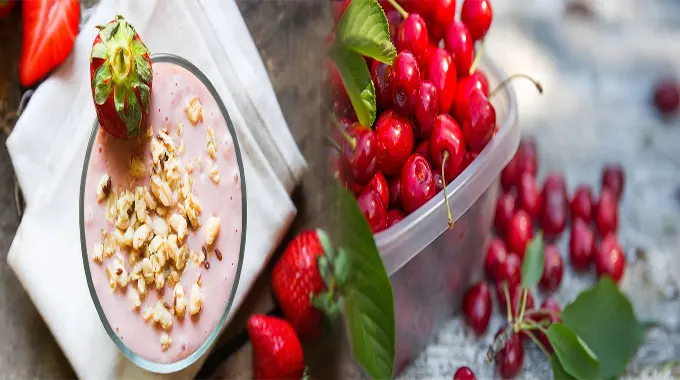
Berries, such as strawberries, blueberries, and raspberries, are excellent choices for individuals with diabetes. They are low in sugar and high in fiber, which can help slow down the absorption of sugar in the bloodstream. Berries are also packed with antioxidants, vitamins, and minerals, making them a great option for diabetic-friendly snacking.

Avocado:

While technically a fruit, avocados are a unique addition to a diabetic-friendly diet. They are low in sugar and high in healthy fats, which can help stabilize blood sugar levels. Avocados also contain fiber, potassium, and other essential nutrients, making them a nutritious choice for diabetics.

Apples:

Apples are a popular fruit choice for individuals with diabetes due to their low glycemic index and fiber content. The fiber in apples can help regulate blood sugar levels and promote a feeling of fullness. Opt for whole apples instead of apple juice or applesauce to maximize the nutritional benefits while keeping sugar intake in check.

Kiwi:

Kiwi is a low-sugar fruit that is rich in fiber, vitamin C, and other essential nutrients. Its sweet and tangy flavor makes it a refreshing snack option for diabetics. The fiber in kiwi can aid in controlling blood sugar levels and promoting digestive health, making it a valuable addition to a diabetes-friendly diet.

Peaches:

Peaches are another low-sugar fruit that diabetics can enjoy in moderation. They are a good source of …

Where to Buy Locally Sourced Organic Fruits and Vegetables

In today’s health-conscious and environmentally friendly society, the demand for locally sourced organic fruits and vegetables is on the rise. Consumers are increasingly seeking out fresh, pesticide-free produce that supports local farmers and reduces their carbon footprint. If you are looking to incorporate more organic produce into your diet, here are some valuable tips on where to buy locally sourced organic fruits and vegetables.

Farmers’ Markets

Farmers’ markets are a treasure trove of local, seasonal, and organic produce. These vibrant hubs provide a direct connection between farmers and consumers, allowing you to meet the individuals responsible for growing your food. Shopping at farmers’ markets not only ensures the freshness of the produce but also promotes sustainable agriculture practices within your community.

Community Supported Agriculture (CSA) Programs

Community Supported Agriculture (CSA) programs offer a unique opportunity to support local farmers while receiving a regular supply of organic fruits and vegetables. By joining a CSA, you can purchase a share of a farm’s harvest for a season and enjoy a weekly or bi-weekly box of freshly picked produce. This arrangement fosters a sense of partnership between consumers and farmers, emphasizing the importance of sustainable food systems.

Local Organic Grocery Stores

Local organic grocery stores are dedicated to offering a wide selection of organic produce sourced from nearby farms. These establishments prioritize supporting local growers and often provide detailed information about the origins of their fruits and vegetables. By shopping at local organic stores, you can access a variety of fresh and sustainably grown produce while contributing to the growth of your community’s food economy.

Farm Stands and U-Pick Farms

Farm stands and U-Pick farms are excellent options for purchasing locally sourced organic fruits and vegetables directly from the source. Many farms open their fields to the public, allowing visitors to hand-pick their …

High-Protein Meal Plan for Muscle Gain and Fat Loss for Men

Achieving a lean and muscular physique requires a combination of intensive workouts and a well-structured diet, with a focus on high-protein meals. For men looking to build muscle and simultaneously shed fat, a meticulously planned high-protein meal plan is essential. Here’s a comprehensive guide to creating an effective high-protein meal plan for maximizing muscle gain and fat loss.

Understanding the Importance of Protein

Protein is the building block of muscles and is crucial for repairing and growing muscle tissues. Additionally, a high-protein diet contributes to increased satiety, which can aid in weight management by reducing overall caloric intake. For men aiming to achieve muscle gain and fat loss, a high-protein meal plan can make a significant difference when combined with a targeted exercise routine.

Building a High-Protein Meal Plan

Breakfast

  • Scrambled Eggs with Spinach: Start the day with a protein-packed breakfast by incorporating scrambled eggs with sautéed spinach. Eggs are a rich source of high-quality protein, while spinach adds essential vitamins and minerals.

Mid-Morning Snack

  • Greek Yogurt Parfait: Opt for Greek yogurt, which is high in protein, and pair it with fresh berries and a sprinkle of nuts for added texture and healthy fats.

Lunch

  • Grilled Chicken Salad: Enjoy a satisfying lunch with a grilled chicken salad loaded with colorful vegetables, such as mixed greens, tomatoes, cucumbers, and bell peppers. Lean chicken breast provides ample protein while keeping the meal low in fat.

Afternoon Snack

  • Protein Smoothie: Blend together a protein-rich smoothie using whey protein powder, almond milk, a frozen banana, and a spoonful of nut butter for a delicious and filling snack.

Dinner

  • Salmon with Quinoa and Steamed Vegetables: Incorporate a generous portion of grilled or baked salmon into your dinner. Pair it with quinoa, a complete protein source, and a variety of steamed