
Budget-Friendly Plant-Based Protein Sources for Muscle Gain

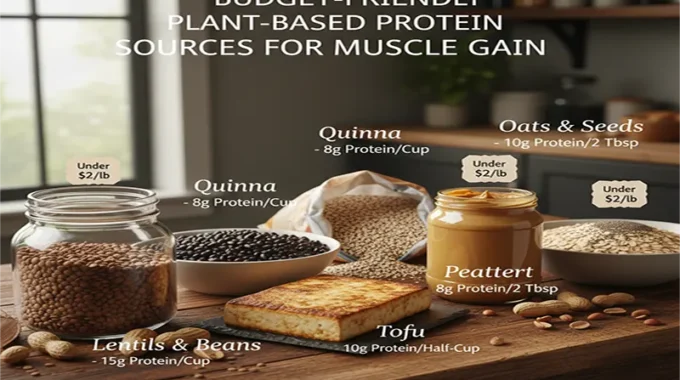
There is a persistent myth in the fitness world that building a muscular, athletic physique requires an endless supply of expensive whey isolates, wild-caught salmon, and organic grass-fed beef. For those looking to transition to a plant-based diet—or those already there—the concern is often financial: “Can I actually hit my protein macros without spending my entire paycheck at a high-end health food store?”
The answer is a resounding yes. In fact, when you look at the “protein-per-dollar” ratio, plant-based staples like lentils, beans, and soy are consistently the most cost-effective fuels on the planet. Building muscle is about two things: a progressive resistance training stimulus and hitting your total daily protein and caloric needs.
The Science of Plant Protein and Hypertrophy
To build muscle (hypertrophy), your body needs amino acids—the building blocks of protein. Of the twenty amino acids, nine are “essential,” meaning your body cannot make them and you must get them from food.
A common critique of plant protein is that it is “incomplete.” While it is true that some plants are lower in specific amino acids (like lysine in grains or methionine in legumes), the concept of “complementary proteins” solves this easily. By eating a variety of sources—like rice and beans or peanut butter on whole-grain bread—you create a complete amino acid profile across the day.
For muscle gain, the most important amino acid is Leucine. Leucine acts as the “on switch” for Muscle Protein Synthesis (MPS). While animal products are high in leucine, you can easily reach the threshold (roughly 2.5–3g per meal) by consuming larger servings of plant staples or focusing on leucine-rich plants like soy and pumpkin seeds.
The “Heavy Hitters”: Most Protein for Your Penny
If you want to maximize gains on a budget, these five categories should form the bedrock …