
Anti-Inflammatory Meal Prep Ideas for Healthy Aging

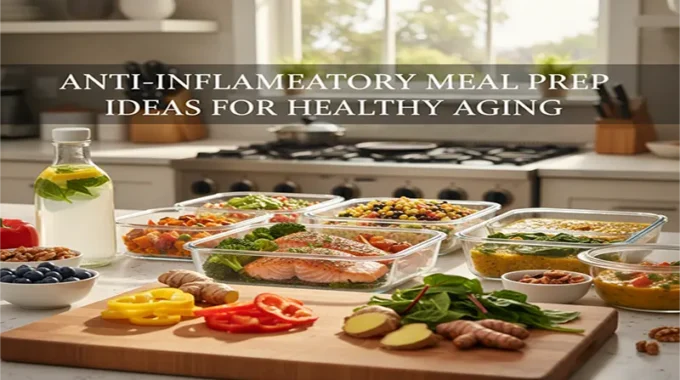
Aging is an inevitable biological process, but the rate at which we age is remarkably plastic. In the field of longevity science, researchers have coined a term for the primary driver of physical decline: “Inflammaging.” This refers to the chronic, low-grade, systemic inflammation that develops with age, even in the absence of overt infection.
Inflammaging acts as a “silent accelerator,” contributing to the degradation of our Telomeres (the protective caps on our DNA) and driving the development of age-related conditions. While genetics play a role, our environment—specifically our dietary choices—serves as the master regulator. By utilizing strategic meal prep to flood our system with anti-inflammatory compounds, we can effectively flip the “off switch” on systemic inflammation and support a longer, more vibrant “healthspan.”
The Biological Mechanism: Quenching the Fire
At the cellular level, inflammation is managed by a “master switch” protein complex called NF-kB. When triggered by processed sugars, trans fats, or chronic stress, NF-kB enters the cell nucleus and turns on the genes responsible for inflammation. Over time, this results in Oxidative Stress, a state where unstable molecules called free radicals damage our cellular architecture.
Anti-inflammatory meal prepping focuses on foods rich in Phytochemicals and Antioxidants that inhibit NF-kB and neutralize free radicals. Inspired by the “Blue Zones”—regions where people live significantly longer than the global average—this approach prioritizes whole, plant-forward ingredients that provide the body with the raw materials needed for cellular repair.
The 5 Power Pillars of Anti-Inflammatory Meal Prep
To make healthy aging sustainable, your kitchen must be stocked with these “power pillars.” Here is the science of why they work and how to prep them efficiently.
1. Cruciferous Power (The Sulforaphane Source)
Broccoli, cauliflower, kale, and Brussels sprouts are non-negotiable for longevity. They contain glucosinolates, which convert into Sulforaphane.
- The Why: Sulforaphane