
Alcohol-Free Botanical Spirits for Healthy Social Drinking

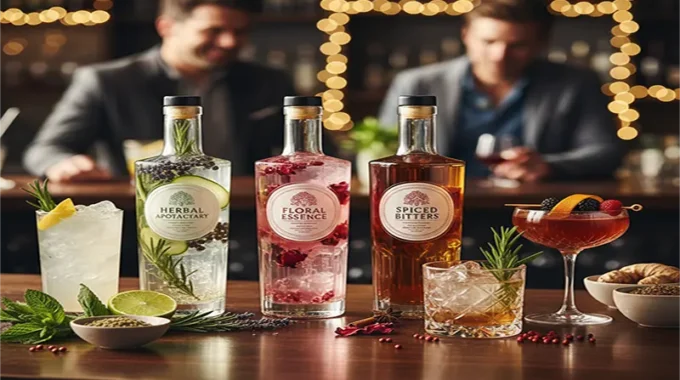
For centuries, the “social lubricant” of choice has been ethanol. From the taverns of old Europe to the modern cocktail bars of Manhattan, alcohol has been the undisputed pillar of adult connection. But a quiet revolution is taking place. A new generation of “Sober Curious” professionals is redefining what it means to have a “drink.”
This movement isn’t necessarily about total abstinence or recovery; it is about Metabolic Health, cognitive longevity, and the refusal to trade tomorrow’s clarity for tonight’s buzz. The rise of alcohol-free botanical spirits represents a cultural “upgrade”—a way to maintain the sophisticated ritual of a cocktail without the neurotoxic and metabolic toll of alcohol.
The Science of Distillation Without Ethanol
One of the most common misconceptions about alcohol-free spirits is that they are simply “expensive flavored water.” In reality, the production of a high-quality botanical spirit is a feat of chemical engineering.
Traditional spirits use Ethanol as a solvent to extract flavors from plants. Alcohol-free producers, however, must find alternative ways to capture the Terpenes (aromatic compounds) and essential oils of their ingredients.
- Steam Distillation: This involves passing steam through botanicals like juniper, peppercorns, and citrus peels. Each botanical is often distilled at a specific temperature to capture its “soul” without burning the delicate oils.
- Maceration: Some producers soak botanicals in water or small amounts of glycerin to extract deep, earthy notes from roots and barks like gentian or cinchona.
- The Result: A complex liquid that mimics the “bite” and mouthfeel of alcohol through the use of capsicum (chili) or ginger, while delivering a sophisticated flavor profile that evolves on the palate.
The Health Perspective: Why Your Body Thanks You
The decision to swap a traditional gin for a botanical alternative has immediate physiological benefits that extend far beyond avoiding a hangover.